
You make a good espresso, pour in your plant-based milk… and suddenly it separates. Or it turns your coffee watery. Or its flavor takes over completely.
If that sounds familiar, the problem isn’t necessarily your coffee. The truth is that not all plant-based milk works equally well in a hot cup of coffee.
The right milk should add creaminess without hiding the flavor of the beans, handle the heat and acidity without splitting, and, if you love cappuccinos or lattes, create enough foam to give you that smooth, café-style finish.
So, what is really the best plant based milk for coffee? Let’s look at the most popular options, what each one does best, and how you can make a better coffee milk at home.
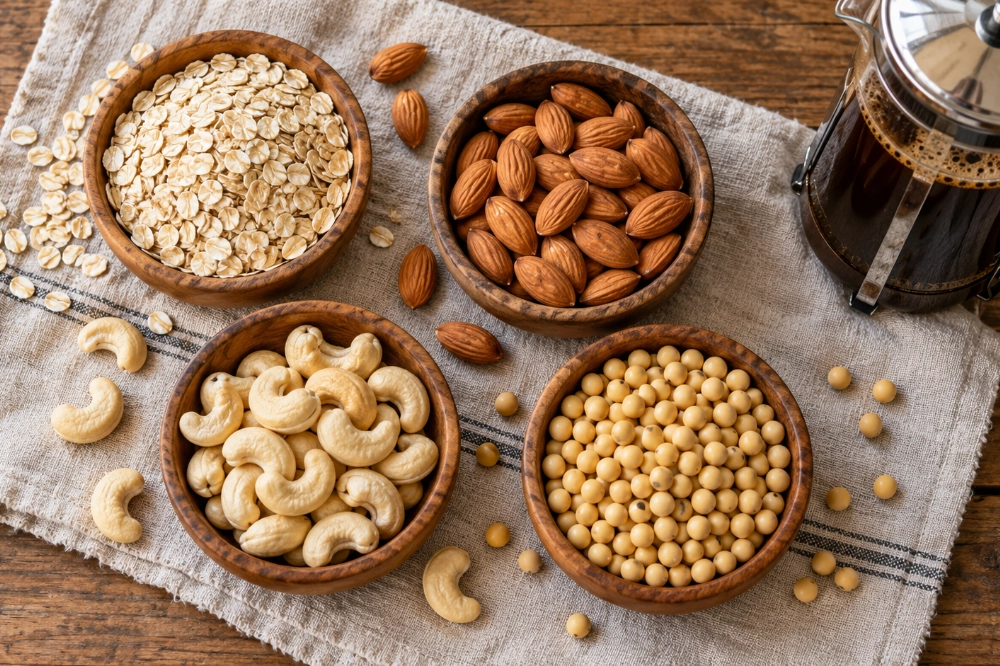
When evaluating plant milk for coffee, coffee professionals usually look for three things: texture (creaminess), flavor neutrality, and thermal stability, in other words, how well the milk handles heat and coffee acidity without separating.
Here is how the top contenders compare:
1. Oat Milk: The Uncontested King of Coffee Alternatives
Walk into many specialty coffee shops today and oat milk is often the first plant-based option you’ll see. There’s a reason it has become such a favorite for lattes and cappuccinos.
2. Soy Milk: The High in Protein Alternative
Prior to the popularity of oat milk, soy was considered one of the best plant-based options for coffe and it remains an excellent choice.
Almond milk is one of the most popular plant milks in the world, but when it comes to coffee, it needs a little more care.

While it may not be as common in cafés, cashew milk is a hidden gem for anyone making coffee at home.
It’s an especially good option if you want richness without relying on added seed oils or thickeners to create it.
Pea protein milk is becoming increasingly popular in the coffee world, especially for people who avoid both nuts and soy.
Finding the best plant-based milk for your coffee depends on what matters most in your morning cup:

One more thing: if your plant milk keeps splitting, the milk itself may not be the only problem. Very hot coffee and lighter, more acidic roasts can make curdling more likely. Letting the coffee cool slightly, warming the milk before adding it, or switching to a darker roast can make a noticeable difference.
If you buy a plant-based milk made specifically for coffee, there’s a good chance it will froth well and stay smooth in your latte.
But turn the carton around and look at how that texture is achieved.
Commercial barista milks can contain ingredients such as dipotassium phosphate, sunflower oil, rapeseed oil, gellan gum, or xanthan gum. These ingredients serve a purpose: they can help improve creaminess, control acidity, prevent splitting, and make a thin plant drink behave more like dairy when steamed.
That can be useful if convenience is your priority. But it also means the texture in your cup isn’t necessarily coming from oats, almonds, or nuts alone.
When you make plant milk at home, you take back control of that formula.
You decide which ingredients create the creaminess. You choose how rich the milk should be. And you don’t have to rely on added oils, gums, or stabilizers just because someone else decided that was the recipe your coffee needed.
You shouldn’t have to choose between a creamy latte and a short, simple ingredient list.
The best plant-based milk for coffee is the one that you control.
When you make it at home, you can adjust the recipe around the coffee you actually drink. Want something light and neutral? Make an oat-based milk. Want more body? Add cashews or macadamias. Prefer a more protein-rich option with good foam? Make fresh soy milk.
One particularly good coffee combination is oats and cashews. Oats keep the flavor mild and smooth, while the natural fats in cashews add richness and body, without needing seed oil to create that creamy finish.
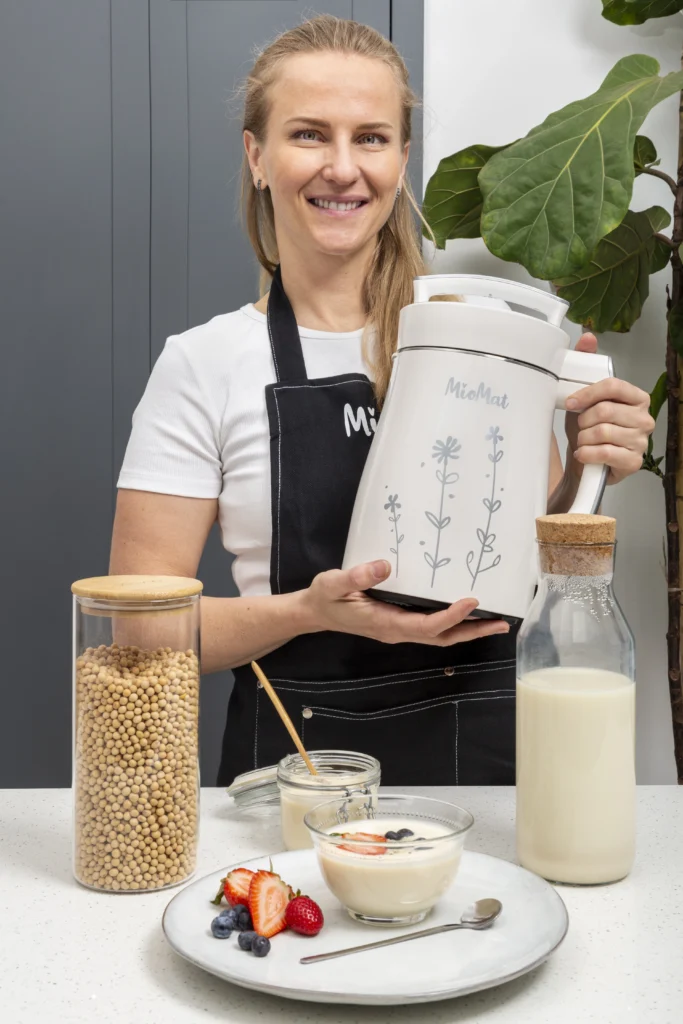
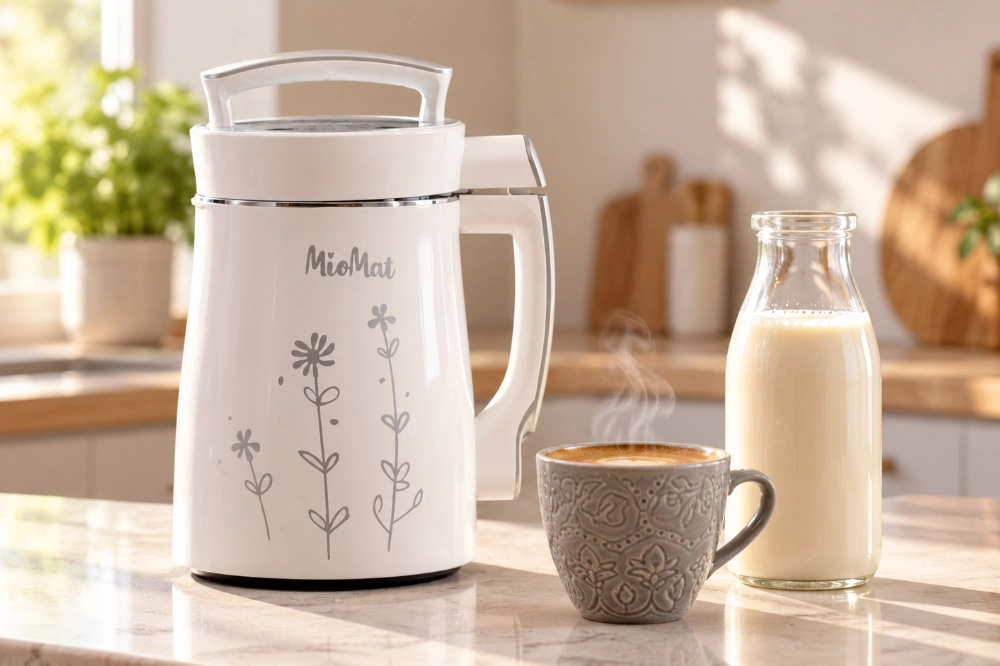
Don’t want to deal with all that mess in preparation of your plant milk? With the MioMat Plant-Based Milk Maker, making your own coffee milk becomes something you can actually fit into your morning routine.
MioMat has dedicated programs for different ingredients: RAW Milk for nuts and other raw ingredients, Cereal Milk for grains such as oats, and Soy Milk for soybeans and other ingredients that need cooking.
Add your ingredients, pour in water between the MIN and MAX markings, choose the right program, and press Start.
In minutes, you have fresh, creamy plant milk with the ingredients and richness you chose yourself.
No mystery formula. No unnecessary gums or stabilizers. Just real ingredients and coffee milk made your way.
Discover the MioMat Plant-Based Milk Maker and upgrade your morning coffee routine today!