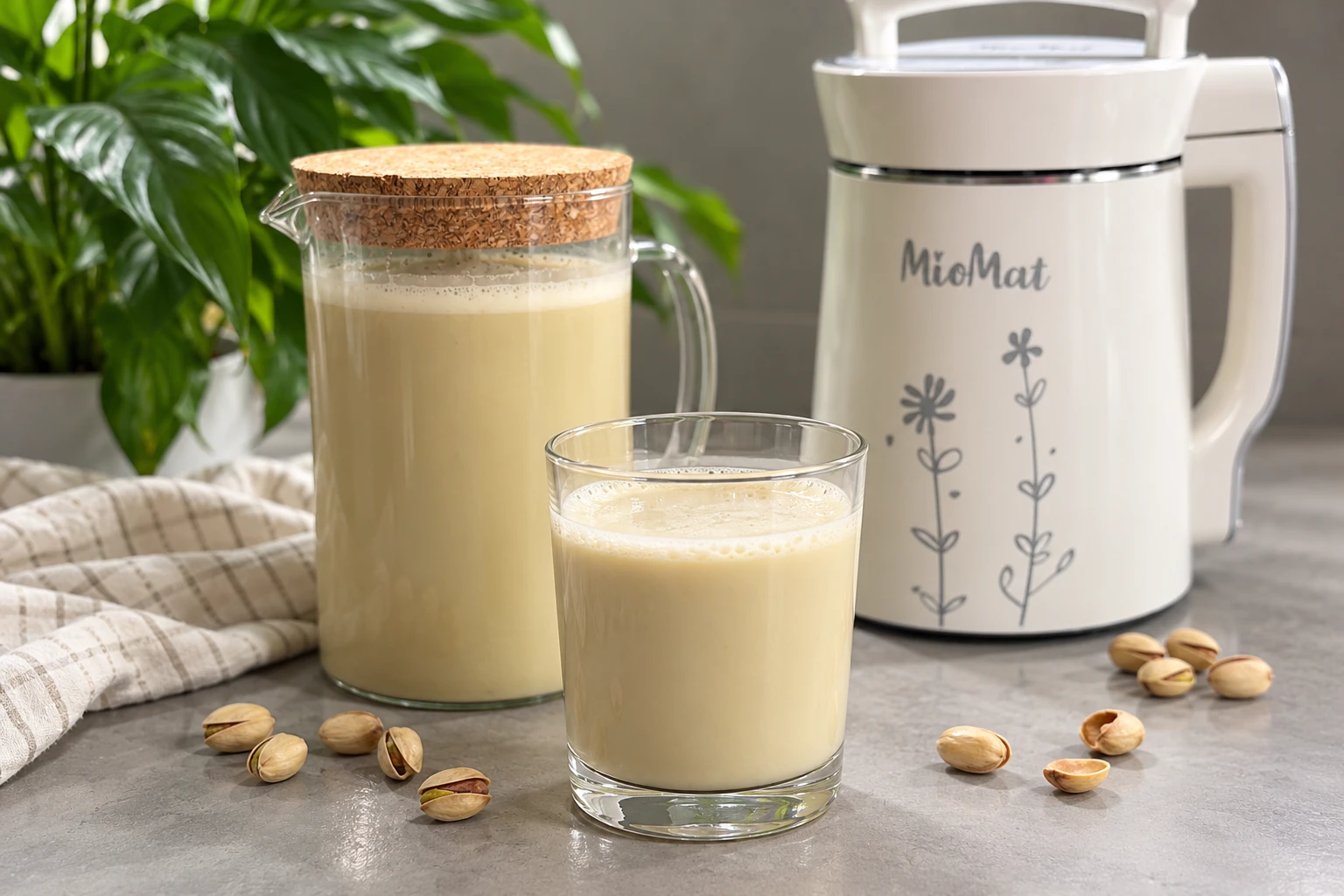
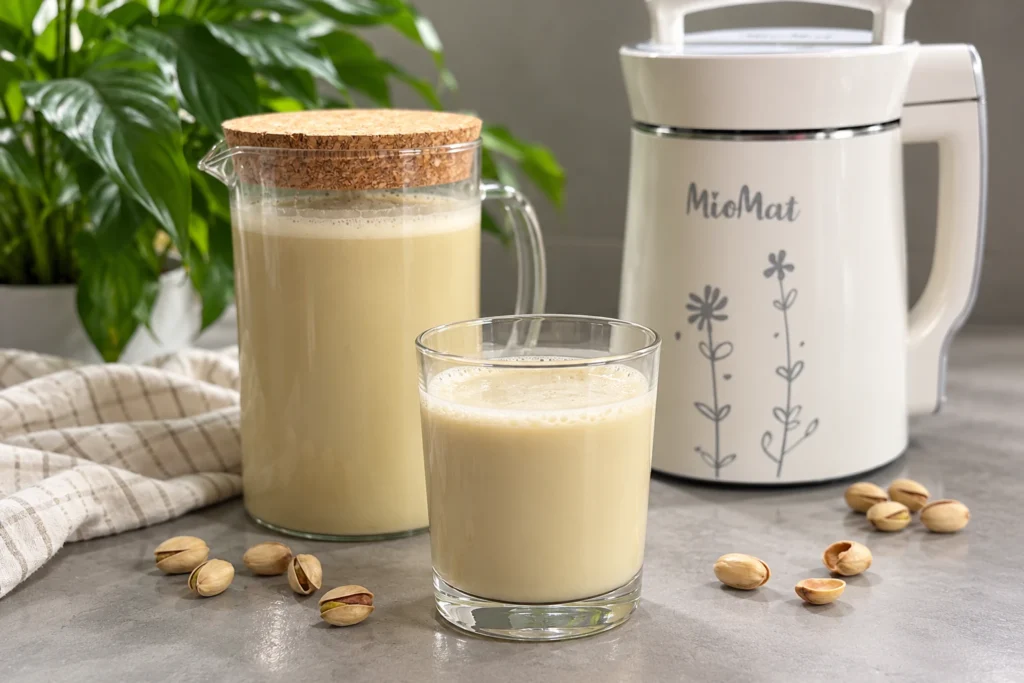
Pistachio milk sounds like a treat: pale green, naturally nutty, slightly sweet, and incredibly creamy. But pick up a commercial carton and you may find that the ingredient list tells a different story.
Many store-bought plant milks contain surprisingly little of the nut itself, with water, oils, gums, sweeteners, stabilizers, or added flavors making up the rest of the recipe.
When you make pistachio milk at home, you get the real thing. You decide how much pistachio goes into it, how creamy you want it, whether you want it sweetened, and exactly what ends up in your glass.
And pistachios bring much more than flavor. They’re naturally rich in unsaturated fats, potassium, plant protein, and antioxidants such as lutein and zeaxanthin.
The only problem with homemade nut milk used to be the process: soaking the nuts overnight, pulling out the blender, transferring everything, squeezing the milk through a nut milk bag, and cleaning up afterward.
100% Pure & Additive-Free: No oils, no gums, no artificial food colorings, and no refined sugars. Just real pistachios, water, and whatever natural flavors you choose to add.
Rich in Antioxidants: Pistachios stand out among nuts for their lutein and zeaxanthin content, two antioxidant compounds particularly associated with eye health. They also provide other antioxidants that help protect cells from oxidative stress.
100% Hands-Off Preparation: Add the ingredients, select the program, and let MioMat do the grinding and blending. No standing over a blender and no squeezing a nut milk bag unless you personally prefer an extra-smooth finish.
Zero Waste Potential: If you choose to strain your milk, don’t throw away the remaining pistachio pulp. Add it to energy balls, cookies, porridge, granola, or other homemade recipes.
Fresh, cold water (enough to reach between the MIN and MAX markings inside the MioMat)
Optional Flavor Boosters:
1 pinch of fine sea salt (enhances the natural nutty flavor)
1–2 pitted dates or 1 tbsp maple syrup (for subtle sweetness)
½ tsp pure vanilla extract
A pinch of cardamom or cinnamon (for a warm, artisanal twist)
How to Make Pistachio Milk with MioMat
Traditional nut milk recipes often start with 8–12 hours of soaking and end with a blender, a nut milk bag, and quite a bit of cleanup.
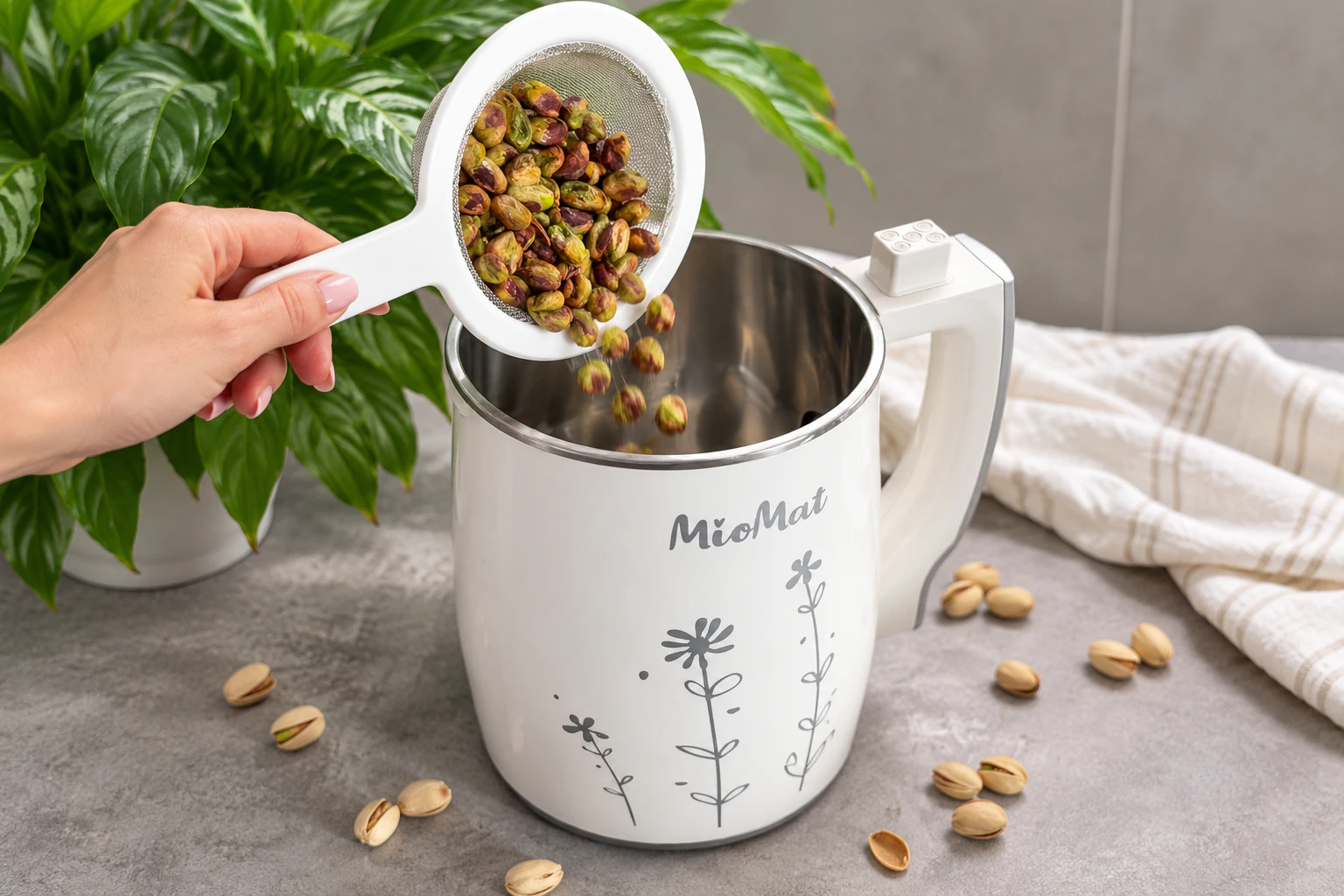
With MioMat, there’s no need to plan your pistachio milk the night before. Raw pistachios can go straight into the machine, and the RAW program takes care of the rest.
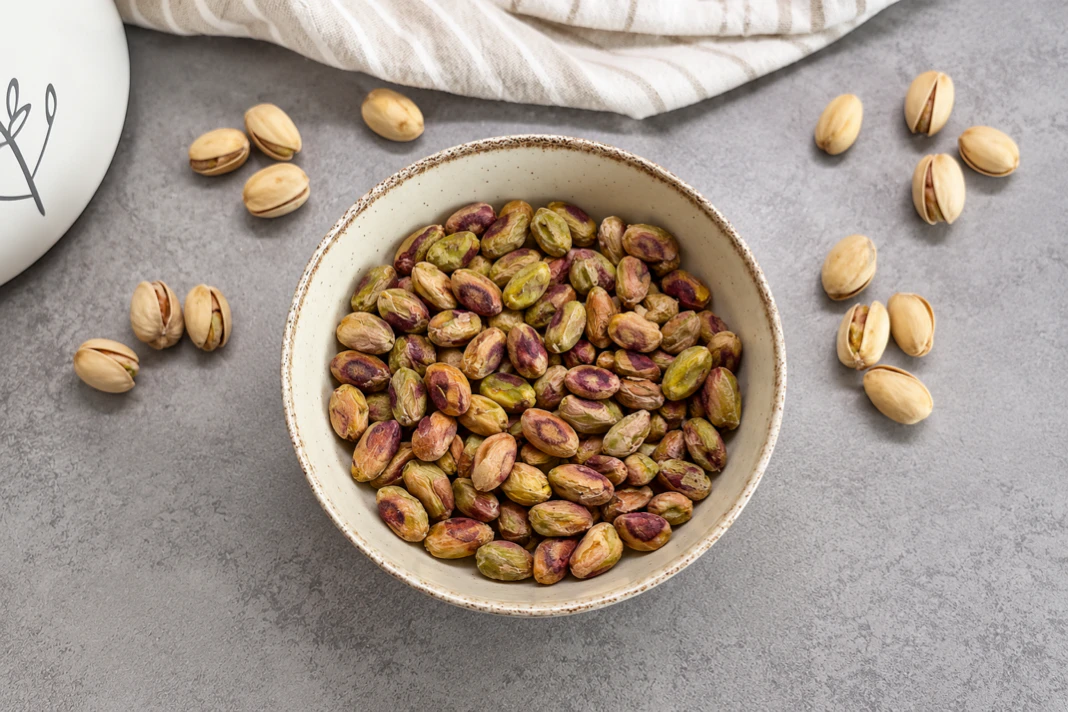
Add the ingredients: Place the shelled pistachios, a pinch of sea salt, and any optional sweeteners or flavors such as dates or vanilla into the MioMat jug.
Add the water: Pour in fresh, cold water until the level sits between the MIN and MAX markings on the inside wall of the jug.
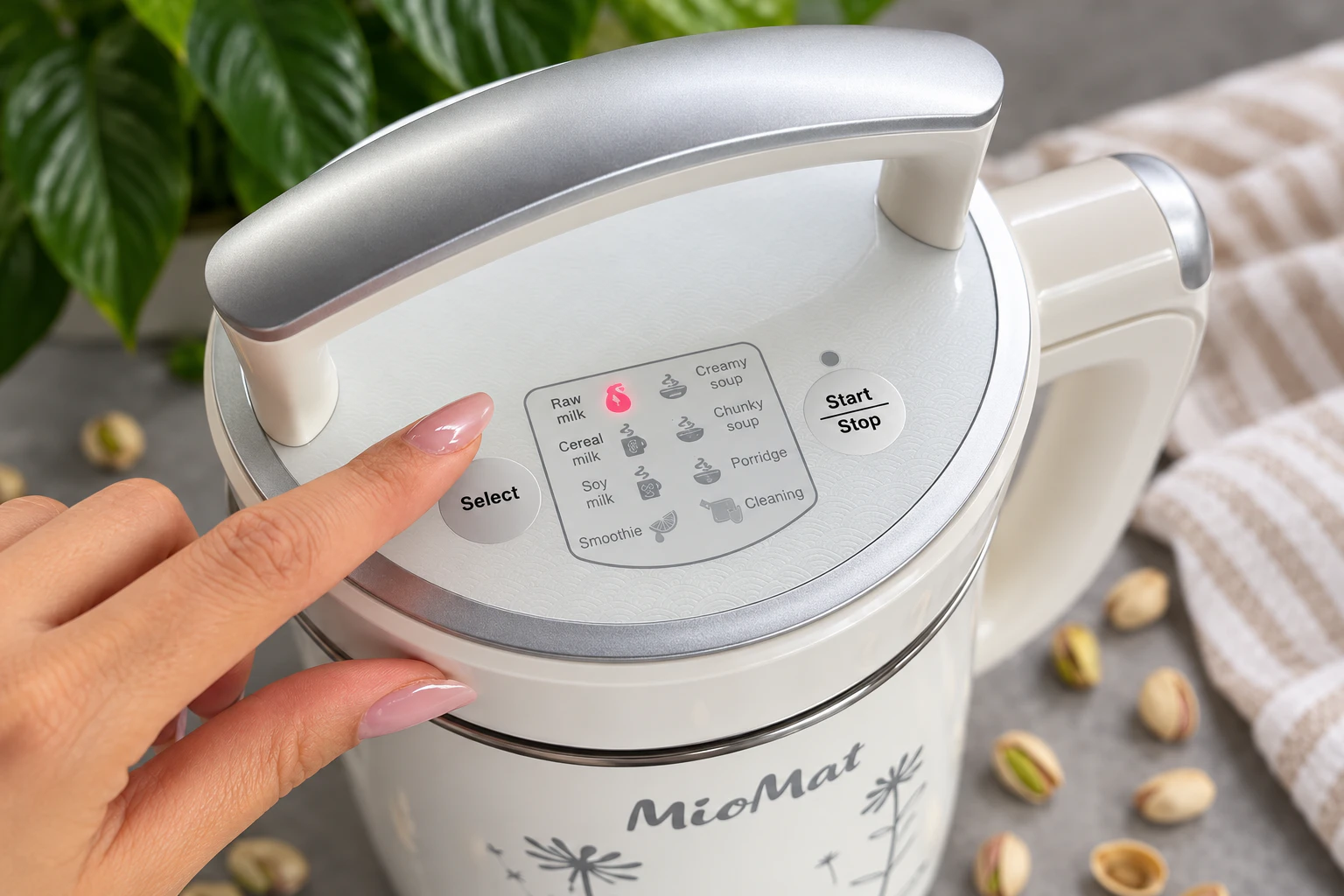
Choose the program: Secure the lid, select the RAW program, and press Start. The program keeps the temperature below approximately 42°C, allowing MioMat to process the pistachios without cooking them while preserving their fresh flavor and naturally occurring nutrients.
Let MioMat work: MioMat automatically grinds and blends the pistachios into a smooth, creamy milk in approximately 10–12 minutes. No overnight soaking is required.
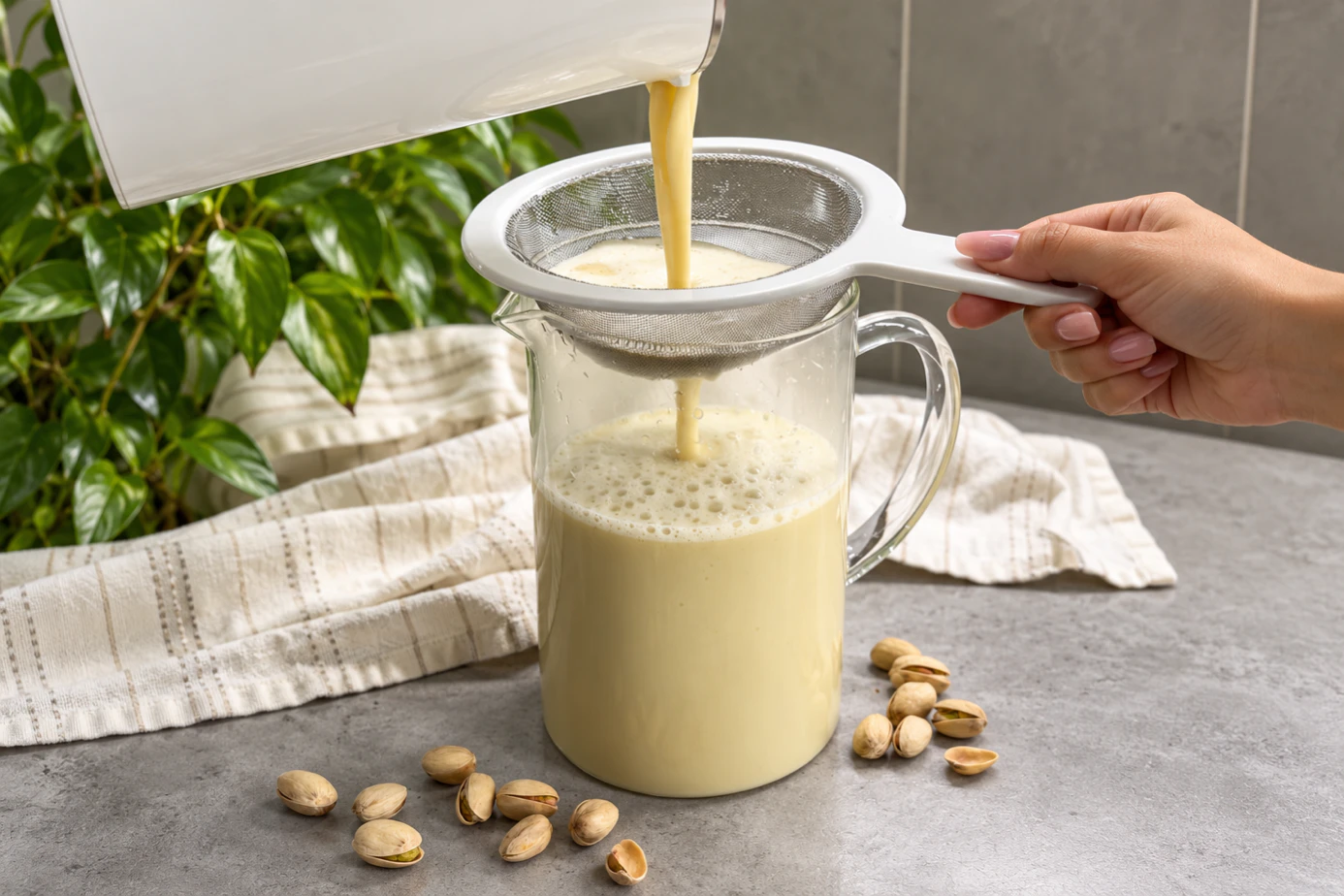
Serve: Once the program finishes and MioMat signals that it’s ready, pour the fresh pistachio milk directly into a glass pitcher or bottle. If you prefer an extra-silky texture, simply pass it through the included fine strainer first.
Serve It Your Way
Fresh pistachio milk has a delicate, slightly sweet flavor and a creamy texture that works beautifully in everything from coffee to breakfast bowls.
Iced Pistachio Latte: Pour it over espresso and ice for a creamy café-style drink you can make at home whenever you want.
Smoothies & Bowls: Use it as the liquid base for banana, matcha, or berry smoothies to add creaminess, healthy fats, and a subtle pistachio flavor.
Morning Cereals & Granola: Pour it over oatmeal, chia pudding, cereal, or crunchy granola for a richer, nuttier breakfast.
Straight from the Glass: Sometimes the simplest way is the best one. Chill it well and enjoy it on its own, with a little cinnamon if you like.
Storage Tip: Store your pistachio milk in a clean, airtight glass container in the refrigerator for up to 3-4 days. Because it contains no emulsifiers or chemical stabilizers, natural separation will occur, simply give the bottle a gentle shake before serving!
The Nutritional Benefits
Real ingredients. One container. Fresh, luxurious nut milk without the mess.
Pistachios pack an impressive amount of nutrition into a small handful, which is another reason they make such an interesting base for homemade plant milk:
Antioxidant Powerhouse: Pistachios stand out among nuts for their lutein, zeaxanthin, and gamma-tocopherol content. These antioxidant compounds help protect cells from oxidative stress, while lutein and zeaxanthin are especially well known for their role in eye health.
Heart-Healthy Fats: Most of the fat naturally found in pistachios is unsaturated, including monounsaturated and polyunsaturated fatty acids. These are the types of fats associated with supporting healthy cholesterol levels and overall cardiovascular health.
Electrolyte & Potassium Boost: A small handful of pistachios — around 28–30 g — provides close to 300 mg of potassium. That makes these little green nuts a surprisingly useful source of an electrolyte your body needs for normal muscle function, nerve signaling, and fluid balance.
Plant Protein & Amino Acids: Pistachios provide all nine essential amino acids, giving them an unusually strong protein profile for a nut. That makes them particularly interesting for anyone looking to get more of their nutrition from plant-based foods.
Gentle on Digestion: Homemade pistachio milk is naturally free from lactose and dairy proteins. And because you make it yourself, you can also skip gums, carrageenan, gellan gum, and other thickeners commonly found in commercial plant milks — a simple alternative for people who prefer fewer added ingredients.
Have you tried making fresh nut milk in your MioMat? Tell us your favorite flavor combinations in the comments below!