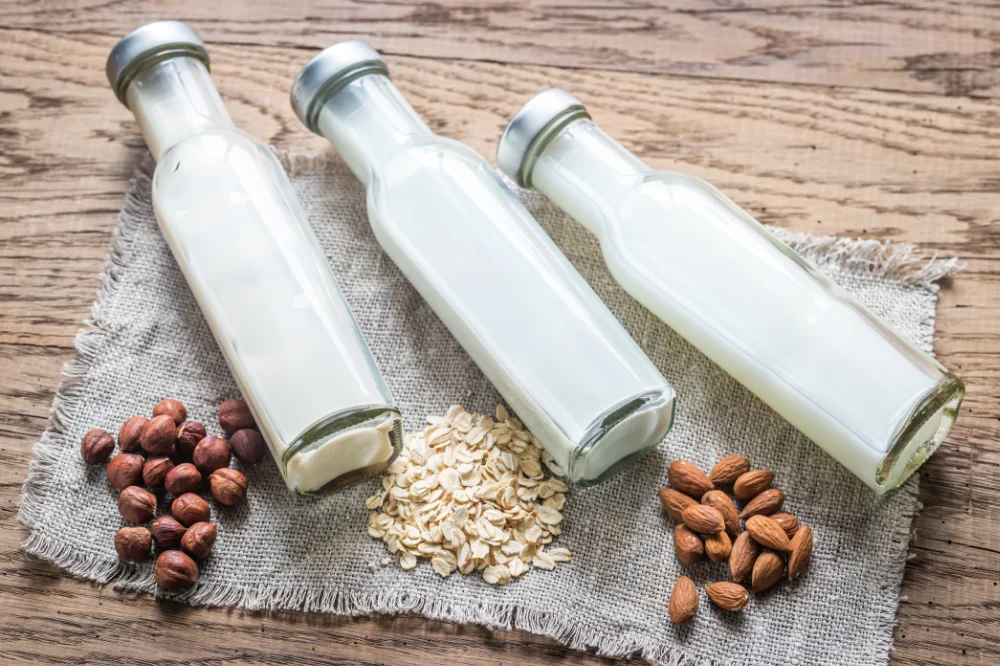
Almond, oat, soy, cashew, rice — today, there’s a plant-based milk for almost every taste and need.
And you don’t have to be vegan to enjoy it.
Some people choose non-dairy milk because they’re lactose intolerant. Others prefer the taste, want more variety in their diet, or simply like knowing exactly what goes into their food.
So, what are the main benefits of plant-based milk, and how do you choose the right one for you?
One of the biggest advantages of plant-based milk is variety. Different ingredients offer different flavors, textures, and nutritional profiles.
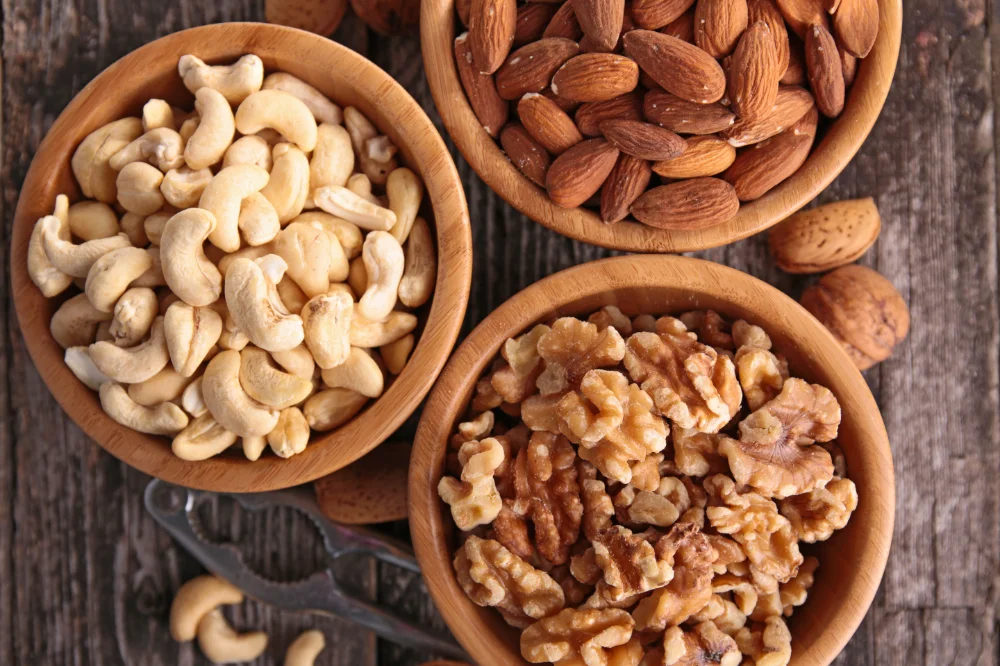
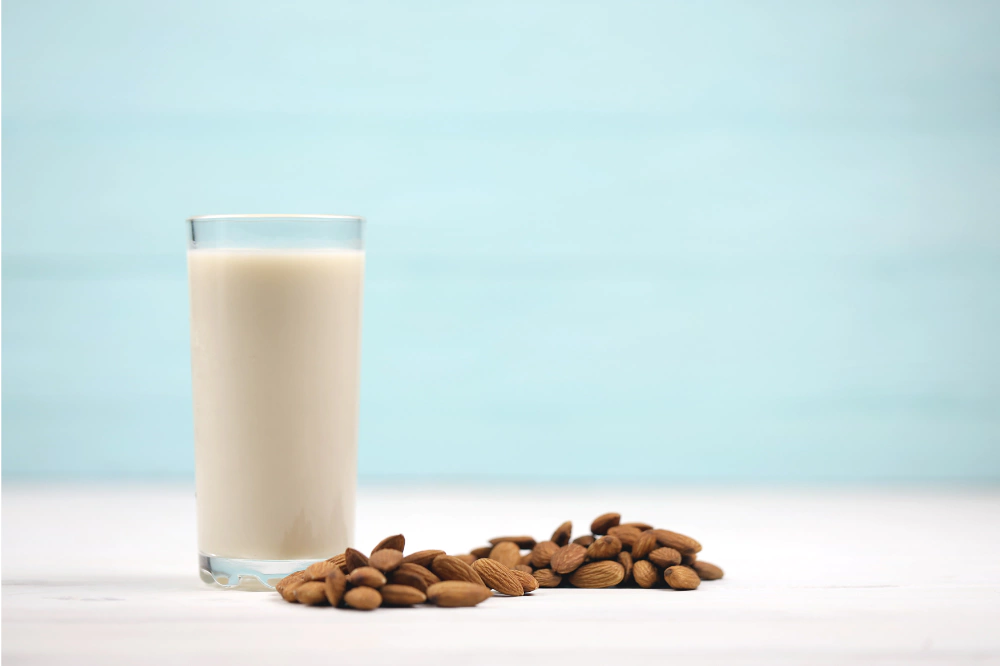
Nut milks can be made from almonds, cashews, hazelnuts, walnuts, macadamias, or pistachios. Nuts naturally provide unsaturated fats and a range of vitamins and minerals.
Cereal milks, such as oat, rice, quinoa, or millet milk, tend to be higher in carbohydrates and usually have a mild, naturally sweet taste.
Soy milk is one of the more protein-rich plant-based options. Soybeans also contain all nine essential amino acids.
Seed milks can be made from hemp, flax, sunflower, pumpkin, or sesame seeds and can provide unsaturated fats and naturally occurring plant nutrients.
There isn’t one plant milk that is best for everyone. The right choice depends on your taste, your diet, and how you plan to use it.
One clear benefit of plant-based milk is that it is naturally lactose-free.
Plant milks are also naturally cholesterol-free, while nut- and seed-based options tend to contain mostly unsaturated fats.
That doesn’t mean every plant milk is nutritionally the same. A sweetened oat drink, for example, is very different from homemade almond milk or plain soy milk.
This is why it helps to read the ingredient list.
Many commercial plant milks are also fortified with nutrients such as calcium, vitamin D, or vitamin B12. Homemade milk is different: it contains the nutrients naturally present in the ingredients you use, without added fortification.
Instead of thinking of plant milk as automatically “healthier,” we prefer a simpler approach:
Know what’s in your glass and choose the ingredients that work for you.
Plant-based milk can also have a lower environmental footprint than dairy milk.
Different crops use different amounts of land and water, but overall, plant-based alternatives generally require less land and produce fewer greenhouse gas emissions than dairy milk.
You can explore these comparisons in more detail through Our World in Data.
Making plant milk at home can also reduce packaging. Instead of buying a new carton every time, you can keep ingredients such as nuts, grains, seeds, or soybeans in your pantry and prepare fresh milk when you need it.
Less packaging, fewer trips to the store, and one more thing you can make yourself.
Plant-based milk can be a practical alternative for people with lactose intolerance because plant ingredients naturally contain no lactose.
Lactose intolerance can cause symptoms such as bloating, gas, stomach discomfort, or diarrhea. NHS Inform provides more information about the condition.
However, lactose intolerance and milk allergy are not the same thing.
And plant-based doesn’t automatically mean allergen-free either. Nut milks are not suitable for people with nut allergies, while soy milk should be avoided by those with a soy allergy.
Luckily, there are many alternatives to choose from: oats, rice, hemp, sunflower seeds, cashews, soy, and more.
If allergies are involved, always check ingredients carefully and follow your healthcare professional’s advice.

Plant-based milk is an easy replacement for dairy milk in a vegan diet.
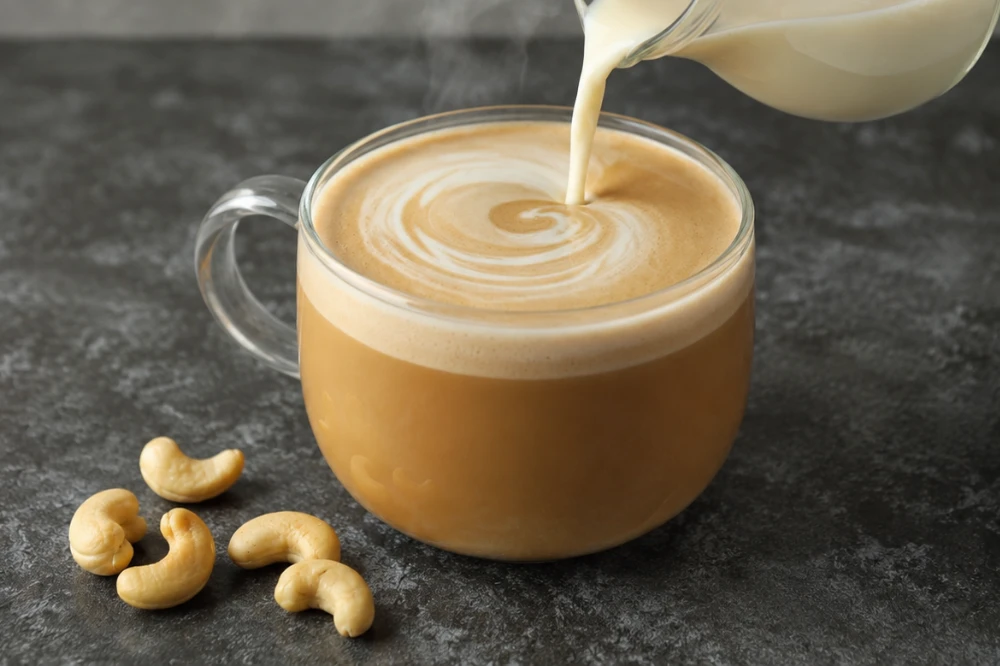
You can use it in coffee, cereal, smoothies, pancakes, sauces, baking, or simply drink it on its own.
Different types provide different nutrients. Soy milk generally contains more protein than almond or rice milk, while nuts and seeds can contribute unsaturated fats and naturally occurring vitamins and minerals.
Commercial plant milks may also be fortified with nutrients. Homemade plant milk isn’t automatically fortified, so it’s worth keeping the rest of your diet in mind.
Eating consciously isn’t about assuming something is healthy just because it says “plant-based.”
It’s about knowing what you’re eating.
Today, supermarket shelves are full of options: almond, oat, soy, cashew, coconut, barista, vanilla, sweetened, unsweetened.
So where do you start?
If you’re buying plant milk, check the ingredient list. Look at added sugar, whether the milk is fortified, and whether it contains oils, gums, stabilizers, or flavorings you personally want to avoid.
And if you want even more control, you can make your own.
With homemade plant milk, you decide:
It can also be a practical way to use pantry staples such as oats, nuts, seeds, or soybeans instead of repeatedly buying ready-made cartons.
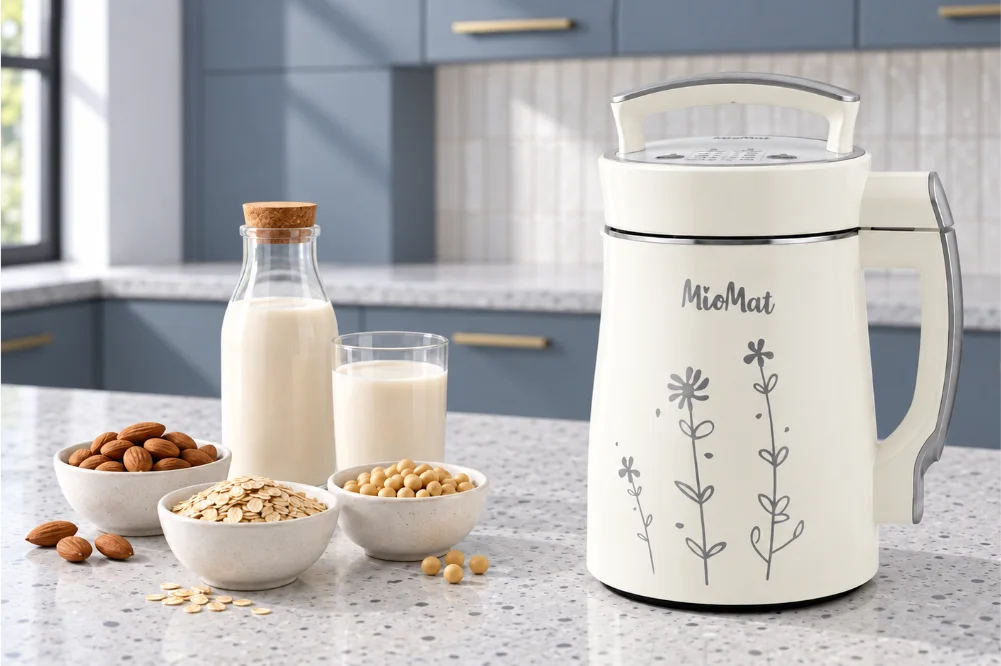
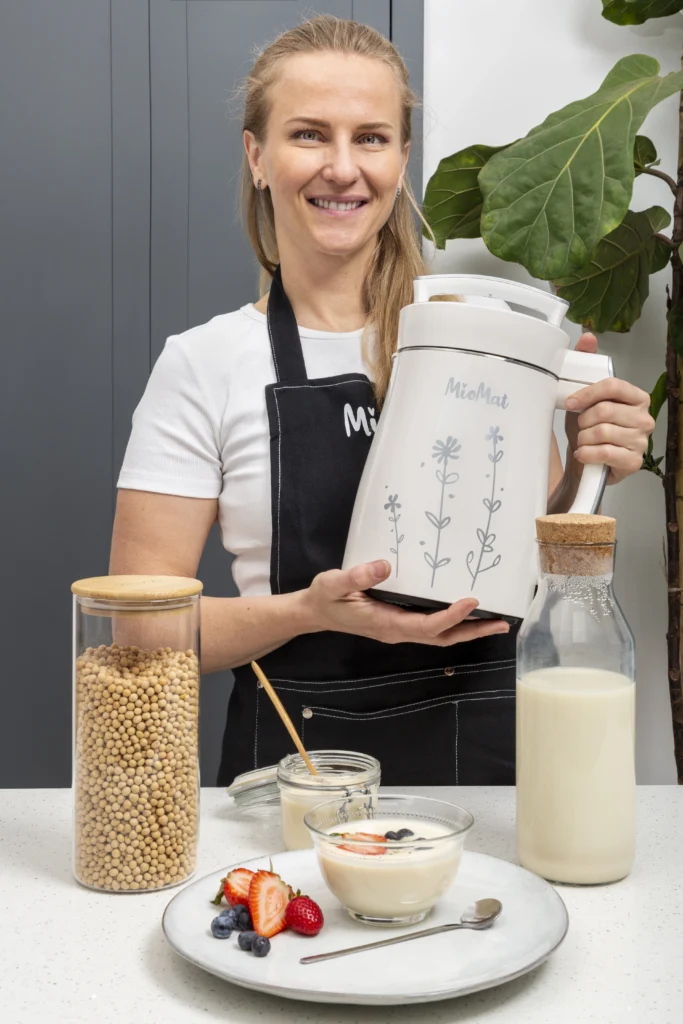
MioMat was created to make homemade food easier.
Instead of using several appliances and following multiple steps, you add your ingredients and water, choose the right program, and press Start.
MioMat includes dedicated programs for different types of plant milk:
The machine takes care of the blending and, when needed, the heating process automatically.
That means you can turn whole ingredients into fresh plant-based milk without standing over the stove or cleaning several appliances afterward.
And MioMat isn’t only for milk. You can also use it for soups, porridges, and other simple homemade recipes.
Add ingredients. Press Start. Come back to homemade food.
Discover the MioMat Plant-Based Milk Maker.
Plant-based milk can be used in many of the same ways as dairy milk.
Try it:
Different milks work better for different recipes.
Oat and soy milk are versatile everyday options. Nut milks can add a mild nutty flavor, while coconut milk works especially well when you want something richer.
When you make plant milk at home, you can also adjust the consistency yourself — richer for coffee or desserts, lighter for cereal or everyday drinking.
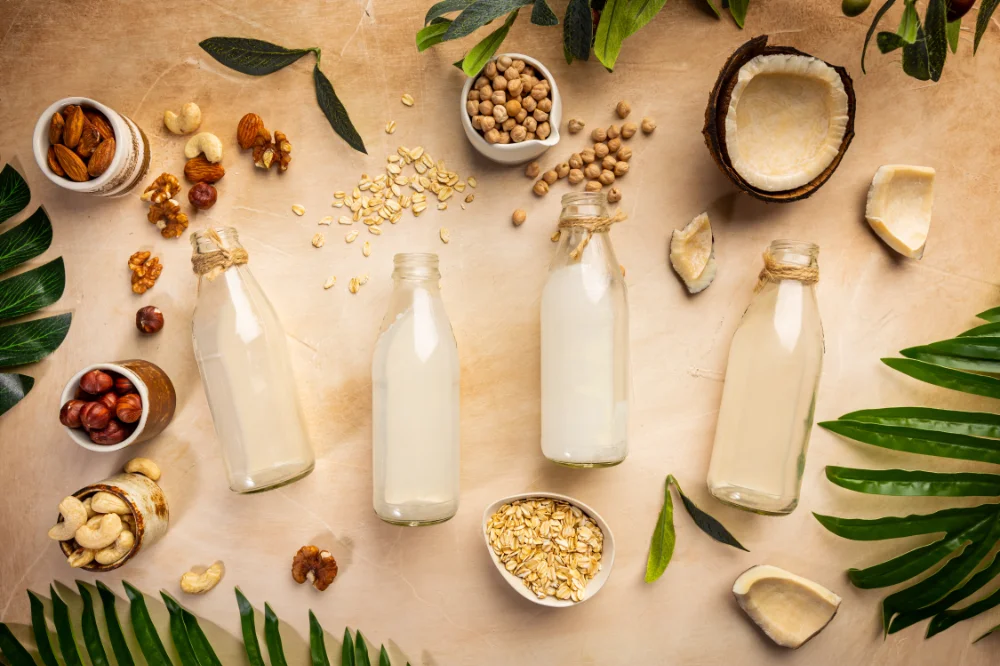
Here are five of the main benefits of plant-based milk:
And there’s one more advantage we especially love: you can make it yourself.
When you make plant milk at home, you choose every ingredient and adjust the recipe to your taste.
No mystery. No guessing.
Just real ingredients, made fresh in your own kitchen.
Pure goodness starts in your kitchen.
We would love to hear about your experiences with plant-based milk! Leave us a comment and share your opinions with us and other vegan milk lovers.
And if you want to make fresh plant milk from nuts, seeds, grains, and legumes at home, discover MioMat here.